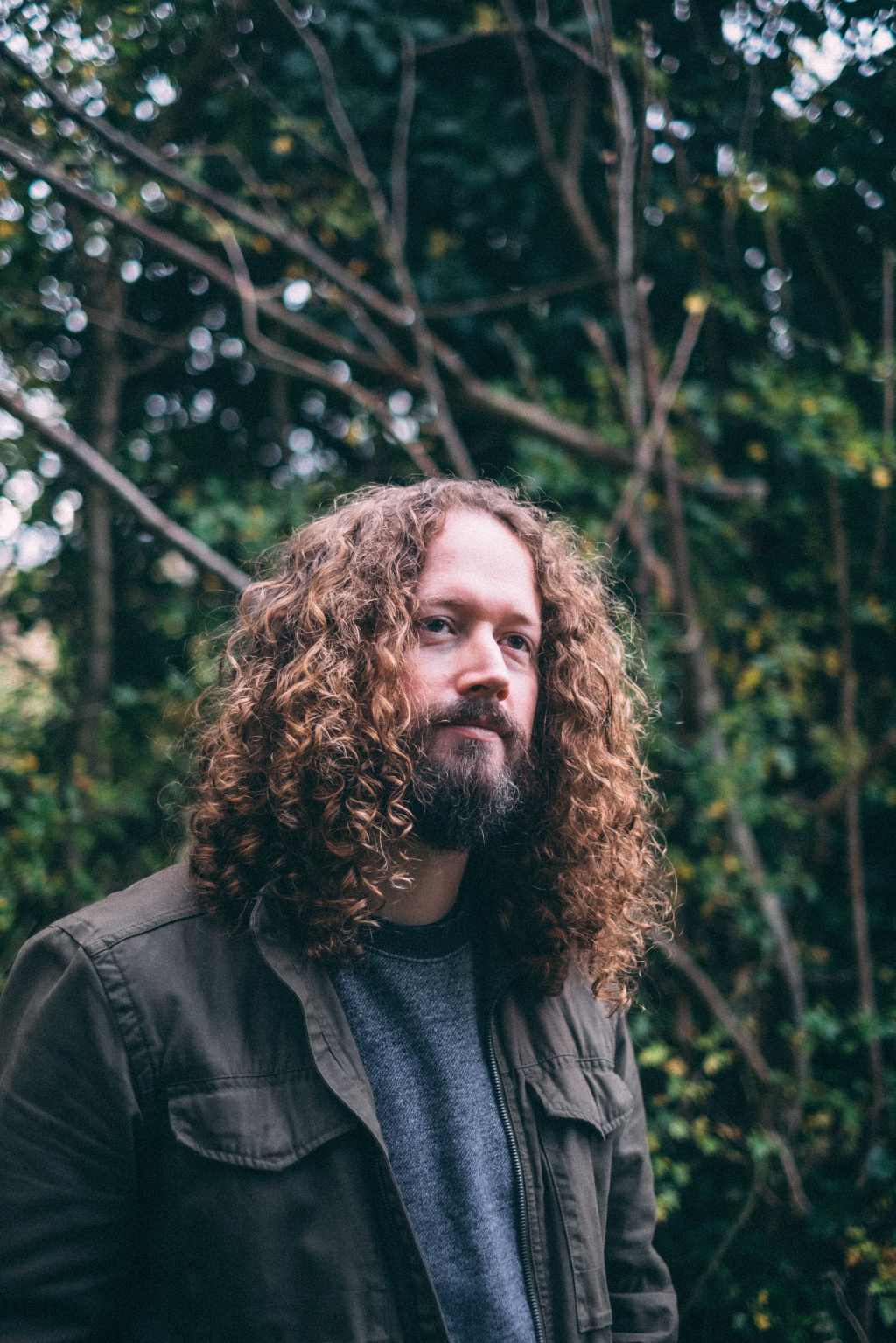
Hace unos días les presentamos el estreno del remix que realizó la talentosa artista Polygonia a la mezcla original Mirrorpath, parte del nuevo lanzamiento de nuestro querido Elliot Jay Stocks, también conocido como Other Form.
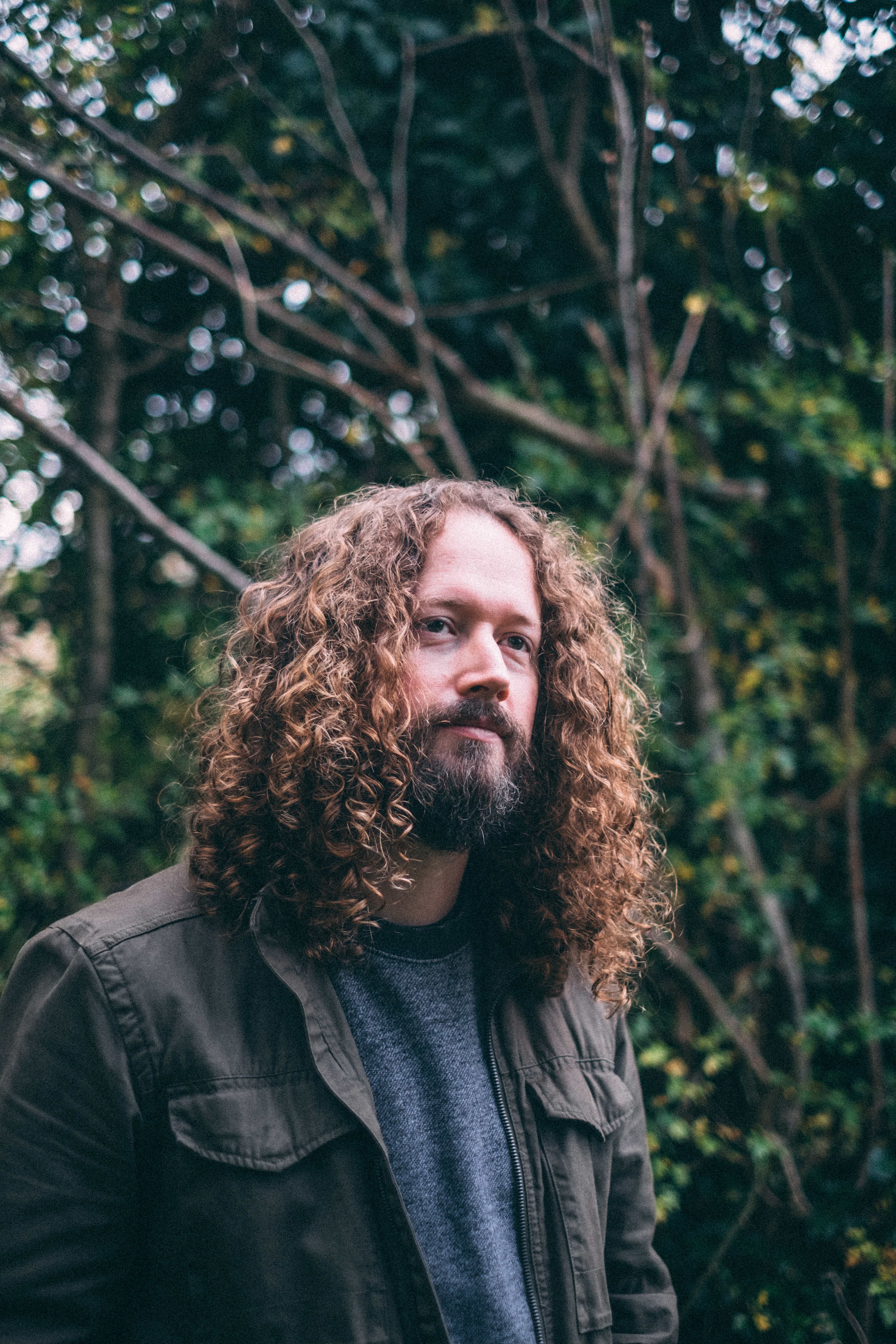
Ahora, les presentamos la entrevista que le realizamos a Other Form, quien amablemente la sugirió. Nos alegra haberla hecho, pues sus respuestas, además de ser interesantes, muestran la gran amabilidad que caracteriza al productor británico.
A few days ago we presented you the premiere of the remix that the talented artist Polygonia made to the original Mirrorpath mix, part of the new release by our beloved Elliot Jay Stocks, also known as Other Form.
Now, we present to you the interview we conducted with Other Form, who kindly suggested it. We are glad we did it, because his responses, in addition to being interesting, show the great kindness that characterizes the British producer.
La traducción al español es propia; la redacción en inglés es de Other Form.
The Spanish translation is by ours; the English redaction is by Other Form
Club Furies (CF): Antes que nada, ¿cómo estás? Dinos cómo te ha tratado la pandemia de la covid-19. Al respecto, hemos visto que aumentó la cantidad de producciones este tiempo. A ti ¿cómo te ha ido en ese asunto?
Club Furies (CF): First of all, how are you? Tell us how the covid-19 pandemic has treated you. We have seen how the number of productions has skyrocketed this time. How have you been in that matter?
Other Form (OF): Estoy bien, ¡gracias! Afortunadamente, no me ha afectado demasiado la pandemia. Una combinación de trabajo y vida familiar significa que no me encontré con mucho tiempo extra, como algunas personas lo hicieron, así que lamentablemente no creo que me permitiera publicar más música, pero ciertamente tampoco me impidió hacer música, así que eso es bueno. Lo peor fue no poder tocar en vivo: había tenido mi primer concierto como Other Form en Zür Klappe en Berlín justo antes de que llegara el Covid.
Other Form (OF): I’m well, thank you! Fortunately, I’ve not been affected too badly by the pandemic. A combination of work and family life means that I didn’t find myself with a lot of extra time, as some people did, so sadly I don’t think it allowed me to put out any more music — but it certainly didn’t stop me from making music, either, so that’s good. The worst thing was not being able to play live: I’d had my first ever gig as Other Form at Zür Klappe in Berlin just before Covid hit.

CF: Nosotros recién te conocimos con el lanzamiento que tuviste por Observant —Release, Change, Rift—, y quedamos encantados con el sonido y la producción. Después, nos contactaste para una Premiere para tu nuevo lanzamiento en Unknown Movements, el sello que diriges. Con este par de lanzamientos te has convertido en uno de nuestros productores favoritos. ¿Cuáles son los elementos principales de tu producción? Inspiraciones, hardware y software.
CF: We just got to know you with the release through Observant —Release, Change, Rift—, and we were delighted with the sound and the production. Afterward, you contacted us for a Premiere for your new release on Unknown Movements, the label you run. With this pair of releases, you have become one of our favorite producers. What are the main elements of your production? Inspirations, hardware, and software.
OF: En primer lugar, es muy amable de su parte que lo digan. ¡Gracias! Me esfuerzo por crear algo que con suerte suene único, pero estoy muy inspirado por personas como Shifted, Amotik, ASEC y Regis. Primero me sumergí en el techno a través de la música que Simon Shreeve estaba sacando como Mønic, y también otros actos en su sello, Osiris, como Killawatt y Manni Dee. Oh man! Me acabo de dar cuenta de que todos los artistas que acabo de nombrar son británicos, ¡jaja! Eso es extraño, porque realmente no creo que mi música tenga un sonido «británico». ¡¿Tal vez sí?!
De todos modos, para responder a la segunda parte de su pregunta, casi todas mis pistas comienzan su vida como jams de hardware antes de ser editadas bastante en Ableton Live. Todavía hago mucho con mi Korg Volcas, que fue el hardware que me ayudó a hacer techno en primer lugar, y mi configuración principal consiste en ellos, el Roland TR-8S, el Arturia MicroFreak, el Roland SH-01A y el Make Noise Strega. En cuanto al software, uso muchos complementos de Felt Instruments, Waves y, por supuesto, Native Instruments: creo que Raum y Replika XT están en todas las pistas que presento.
OF: Firstly, that’s so kind of you to say — thanks! I try hard to create something that hopefully sounds unique, but I’m hugely inspired by folks like Shifted, Amotik, ASEC, and Regis. I first got into techno through the music Simon Shreeve was putting out as Mønic, and also other acts on his label, Osiris, like Killawatt and Manni Dee. Oh man, I’ve just realised that every artist I’ve just named is British — haha! That’s odd, because I don’t really think my music has a “British” sound. Maybe it does?!
Anyway, to answer the second part of your question, almost all of my tracks start life as hardware jams before getting edited pretty heavily in Ableton Live. I still do a lot with my Korg Volcas, which was the hardware that helped get me into making techno in the first place, and my main setup consists of them, the Roland TR-8S, Arturia MicroFreak, Roland SH-01A, and Make Noise Strega. Software-wise, I use a lot of plugins by Felt Instruments, Waves, and of course Native Instruments — I think Raum and Replika XT are on every track I put out.
CF: Al respecto de la última pregunta, ¿qué piensas de la distinción entre formas de producción digitales y análogas?
CF: Regarding the last question, what do you think of the distinction between digital and analog forms of production? Is it the same quality or that’s no important?
OF: Actualmente, la calidad de sonido real es la misma, pero para mí personalmente, el hardware me obliga a adoptar un enfoque diferente. El jamming en máquinas física siempre conduce a resultados agradablemente inesperados, y veo esa espontaneidad como una forma de agregar más interés a una pista. Veo a otras personas haciendo cosas increíbles “en la caja”, pero lo he encontrado menos inspirador: me resulta mucho más fácil experimentar cuando muevo perillas físicas, botones y controles deslizantes.
OF: These days, the actual sound quality is the same, but for me personally, hardware forces me to take a different approach. Jamming on actual machines always leads to pleasantly unexpected results, and I see that spontaneity as a way of adding more interest to a track. I see other folks doing amazing things “in the box”, but I’ve found that less inspiring — I find it much easier to experiment when I’m moving physical knobs, buttons, and sliders.
CF: ¿Cuáles fueron tus inspiraciones para este par de releases? ¿Entre ellos pasó un tiempo prolongado? ¿Hay una conexión entre ambos? ¿Son autónomos entre sí?
CF: What were your inspirations for this pair of releases? Did you spend a long time between them? Is there a connection between the two? Are they autonomous from each other?
OF: Las pistas para estos dos EP se crearon aproximadamente al mismo tiempo, en el transcurso del último año más o menos, supongo. Los chicos de Audio Units (que dirigen Observant con Dotdat) me dieron muchos comentarios sobre los contendientes para el EP, y realmente me ayudaron a crear un cuerpo de música cohesivo. Las pistas que no funcionaron tan bien en Release, Change, Rift terminaron funcionando bien como su propia pequeña unidad, principalmente por accidente, y quería una excusa para trabajar con Quelza y Polygonia, así que las empaqué en otro EP bastante rápido. Para ser honesto, era reacio a seguir el EP de Observant tan rápido, pero al mismo tiempo quería sacar estas pistas antes de que terminara el año.
OF: The tracks for these two EPs were created roughly around the same time, over the course of the last year or so, I guess. The Audio Units guys (who run Observant with Dotdat) gave me a lot of feedback on contenders for the EP, and really helped me craft a cohesive body of music. The tracks that didn’t work so well on Release, Change, Rift ended up working well as their own little unit, mainly by accident, and I wanted an excuse to work with Quelza and Polygonia, so I packaged them up into another EP pretty quickly. To be honest I was reluctant to follow the Observant EP so quickly, but at the same time I wanted to get these tracks out there before the year was over.

CF: Al respecto de tu etiqueta discográfica, Unknown Movements. ¿Cómo empezar a crear una etiqueta discográfica? ¿Cuáles fueron los elementos fundamentales? ¿Qué te llevó a crearla? Muchos productores lo hacen para no tener la dificultad de esperar mucho tiempo para que otros sellos lancen su música —y es que muchas veces tarda tanto que el productor ha cambiado su estilo—.
CF: Regarding your record label, Unknown Movements. How to start creating a record label? What were the fundamental elements? What led you to create it? Many producers do it so as not to have the difficulty of waiting a long time for other labels to release their music — and it often takes so long that the producer has changed his style.
OF: Sí, el sello comenzó como una forma en la que yo pudiera poner afuera mi propia música. Nunca tuve la intención de que fuera otra cosa que eso, originalmente. Así que lo usé para sacar mis primeros 12″, Unmarked Paths, más un par de singles digitales a cada lado de eso, pero luego se quedó inactivo. Fue solo a fines de 2019 que me senté e hice un plan para relanzar el sello y abrirlo a otros artistas. Fue una suerte que ese plan estuviera en marcha, en realidad, porque cuando llegó la pandemia, significaba que todos esos lanzamientos ya estaban planeados.
Publicar la música de otros ha sido muy gratificante. Tan pronto como lo hice, supe que quería seguir haciéndolo, por lo que la etiqueta ha crecido de manera bastante natural.
OF: Yeah, the label started out just as a way of me getting my own music out there. I never intended it to be anything other than that, originally. So I used it to put out my first 12″, Unmarked Paths, plus a couple of digital singles either side of that, but then it fell dormant. It was only in late 2019 that I sat down and made a plan to re-launch the label, and open it up to other artists. It was lucky that that plan was in place, actually, because when the pandemic hit, it meant that all of those releases were already planned for.
Putting out others’ music has been so rewarding. As soon as I’d done it, I knew I wanted to keep doing it, so the label’s grown pretty naturally.
CF: ¿Cuáles son las dificultades de crear un sello musical, primero, mantenerlo y establecerlo, después, y que despunte, finalmente, más si tomamos en cuenta que actualmente las etiquetas, entre muchas otras cosas más, se destacan porque se multiplican todo el tiempo? Lo que implica preguntarte: ¿qué se considera en la escena que un sello musical sea destacado?, ¿qué venda mucho?, ¿que establezca un sonido único y sea reconocido por las personas y por productores y DJs?, ¿qué tenga una gran fan base en redes sociales? ¿Qué piensas al respecto?
CF: What are the difficulties of creating a musical label, first, maintaining it and establishing it, later, and that it let it rise, finally, more if we take into account that currently labels, among many other things, stand out because they multiply all the time? Which implies asking you: what is considered in the scene for a music label to be outstanding? What sells a lot? That establishes a unique sound and is recognized by people and by producers and DJs? What has a great fan base on social networks? What do you think about it?
OF: Bueno, mi etiqueta es bastante pequeña, así que todavía estoy tratando de resolver esas cosas. ¡Jaja! Creo que lo principal que respeto en otros sellos es la consistencia, tanto musical como visualmente. No estoy diciendo que las etiquetas no deban evolucionar su estilo, ni mucho menos, pero poder ver ese viaje es importante. Estoy pensando en gente como Hayes, Hypnus, Downwards, Semantica, etc.
OF: Well, my label’s pretty small, so I’m still trying to figure that stuff out. Haha! I think the main thing I respect in other labels is consistency, both musically and visually. I’m not saying that labels shouldn’t evolve their style — far from it — but being able to see that journey is important. I’m thinking of folks like Hayes, Hypnus, Downwards, Semantica, etc.
CF: Hablando del concepto y estética visual. ¿Cuál es el concepto o conceptos de Unknown Movements? ¿Consideras importante tener una estética visual trabajada adecuadamente para la construcción de un sello?
CF: Talking about the concept and visual aesthetics. What is the concept or concepts of Unknown Movements? Do you consider it important to have a properly worked visual aesthetic for the construction of a stamp?
OF: Sí, lo hago, aunque soy diseñador de día, así que, naturalmente, estoy muy centrado en la estética. Siempre ha habido un fuerte énfasis en la textura en la obra de arte de la etiqueta, pero todo está realmente unido por la tipografía. Cambia con cada lanzamiento, pero espero que la gente pueda ver que hay una consistencia allí.
OF: Yes, I do, although I’m a designer by day, so I’m naturally very focussed on aesthetics. There’s always been a strong emphasis on texture in the label’s artwork, but it’s all really tied together by the typography. It changes with each release, but hopefully people can see there’s a consistency there.
CF: ¿Consideras que los eventos consecuencia del Covid-19 fortalecieron la escena underground en cuanto al apoyo que muchas veces —o casi siempre— se necesitó? Y ahora, después de que las cosas regresan poco a poco a la normalidad, ¿piensas que fue un discurso vacío o que sí sentó bases para el futuro?
CF: Do you consider that the events as a consequence of Covid-19 strengthened the underground scene in terms of the support that was often – or almost always – needed? And now, after things slowly return to normal, do you think it was an empty speech, or did it lay the foundations for the future?
OF: He pensado mucho en esto y estoy indeciso. Ahora que ciertos países están entrando en confinamiento nuevamente, y los clubes son los primeros en cerrar, está claro que la vida nocturna va a tener otro golpe. Pero igualmente también me resulta frustrante escuchar a la gente envolver todo en la cultura del club, porque la música, y la cultura en torno a un género musical en particular, no deja de existir cuando los clubes están cerrados. La gente todavía escucha techno en su viaje al trabajo un miércoles por la mañana, ¿sabes?
Una cosa positiva que salió de la Covid fue todo el aprendizaje en línea y el intercambio general de conocimientos que parecía inspirar. Muchos productores recurrieron a eso como una forma de ganar dinero en lugar de conciertos, y parece continuar, lo cual es genial.
OF: I’ve thought about this a lot, and I’m undecided. Now that certain countries are going into lockdowns again, and clubs are the first to close, it’s clear that nightlife is going to take yet another hit. But equally I also find it frustrating to hear people wrapping everything up in club culture, because music — and the culture around a particular genre of music — doesn’t cease to exist when the clubs are closed. People still listen to techno on their commute to work on a Wednesday morning, you know?
A positive thing to come out of Covid was all of the online learning and the general knowledge-sharing that it seemed to inspire. A lot of producers turned to that as a way of making money in lieu of gigs, and it seems to be continuing, which is great.

CF: Lo anterior implica preguntarte, ya terminando nuestra entrevista, y porque es un tema que nos encanta abordar, aunque sea muy trillado, y hasta estéril actualmente. ¿Qué consideras para ti qué es la escena underground local e internacional? ¿Cabe actualmente hablar de escena underground?
CF: The above implies asking you, already finishing our interview, and why it is a topic that we love to address, even if it is very trite, and even currently sterile. What do you consider to be the local and international underground scene? Is it currently possible to speak of the underground scene?
OF: ¡Buena pregunta! Considero que la música que escucho, hago y lanzo es “underground”, pero solo en el sentido de que a sabiendas no tiene un atractivo general. No es pop. Pero luego, a veces tienes algunos DJs enormes que tocan o lanzan algo que fácilmente podrías considerar “underground”. No sé. En términos generales, no soy tan consciente de las “grandes” personas, y por muy agradable que sea ocasionalmente obtener algún reconocimiento de algunos de los DJs superestrellas, las personas en mi radar son casi siempre las que probablemente consideran que son “underground”.
Alguien comentó en una publicación de Instagram que hice el otro día: había tenido problemas con uno de los hashtags que había puesto en el pie de foto y no estaba de acuerdo con la pista perteneciente a ese género. Pero, oye, ¿a quién le importa? Supongo que algunas personas lo hacen. Es solo música para mí.
OF: Good question! I consider the music I listen to, and make, and release, to be “underground”, but only in the sense that it’s knowingly not got mainstream appeal. It’s not pop. But then, sometimes you get some huge DJs who play or release something you could easily consider “underground”. I don’t know. Generally speaking, I’m not that aware of the “big” people, and as nice as it is to occasionally get some recognition from some of the superstar DJs, the folks on my radar are almost always those who most probably consider to be “underground”.
I had someone comment on an Instagram post I made the other day: he’d taken issue with one of the hashtags I’d put in the caption, and didn’t agree with the track belonging to that genre. But, hey, who cares?! I guess some people do. It’s just music to me.
CF: Finalmente, y porque queremos saber que traes entre manos para el futuro próximo. Imaginamos que más lanzamientos en tu sello y en otros. ¿Nos podrías adelantar algo? ¿Produces en corto tiempo o te tomas un tiempo acentuado para tus producciones?
CF: Finally, because we want to know what you have in your hands for the near future. We imagine more releases on your label and others. Could you tell us something? Do you produce in a short time or do you take an accentuated time for your productions?
OF: ¡Me llevo años! Definitivamente no soy uno de esos productores súper prolíficos. Sin embargo, tengo algunas pistas nuevas en proceso, y estoy hablando con un par de sellos sobre posibles lanzamientos. Desafortunadamente, aún no hay planes concretos que pueda compartir. Tom (Alternate Current) y yo queremos terminar la próxima entrega de nuestra colaboración, así que espero que vea la luz en 2022. Estoy planeando tres o cuatro lanzamientos en Unknown Movements el próximo año, pero bueno, veremos qué sucede.
OF: I take ages! I’m definitely not one of those super-prolific producers. I have some new tracks in the works, though, and I’m talking to a couple of labels about potential releases. Unfortunately, there are no concrete plans I can share yet. Tom (Alternate Current) and I want to finish the next installment of our collaboration, so hopefully that should see the light in 2022. I’m planning on three to four releases on Unknown Movements next year, but hey, we’ll see what happens.
CF: Te agradecemos infinitamente tu tiempo y tu amabilidad.
CF: We thank you infinitely for your time and your kindness.
Sigue a Other Form:
SoundCloud | Instagram | Facebook | Website
Sigue a Unknown Movements:
SoundCloud | Bandcamp | Formaviva
Club Furies:
Website | SoundCloud | Instagram | Facebook | Twitter | Linktree
 Club Furies
Deja un comentario