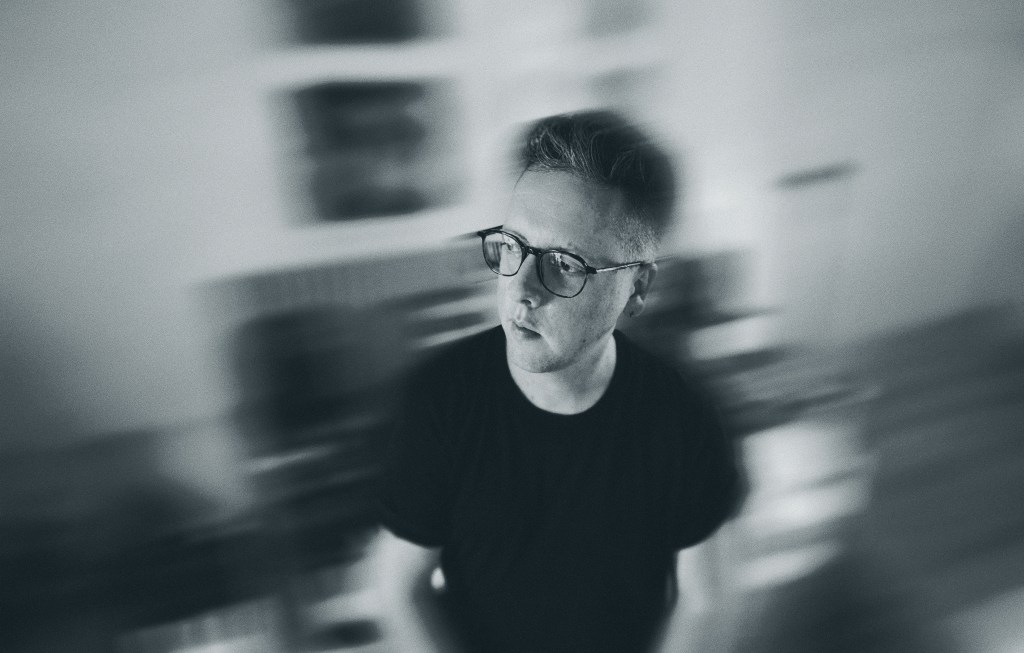
For Memory Noise, time is not a line to follow. It is a substance to touch.
Memory Noise is the solo project of Fabio Servolo, a musician based in Italy who works across analog and digital synths, field recordings, and sampling, assembling fragments into immersive compositions shaped by reflection and emotion. His work blurs the line between memory and presence, treating sound as a way of reconstructing moments that may have been lived, or only imagined.
Time Is A Dimension, out October 21 through Ipologica, began almost by accident, with a second-hand synthesizer, a handful of demos sent out of pure enthusiasm, and a conversation that has barely stopped since. Nine tracks later, the album treats time as something that can feel solid and motionless one moment, transparent and permeable the next. We spoke with Memory Noise about fragments, interruptions, and what it took to turn a handful of demos into a record.
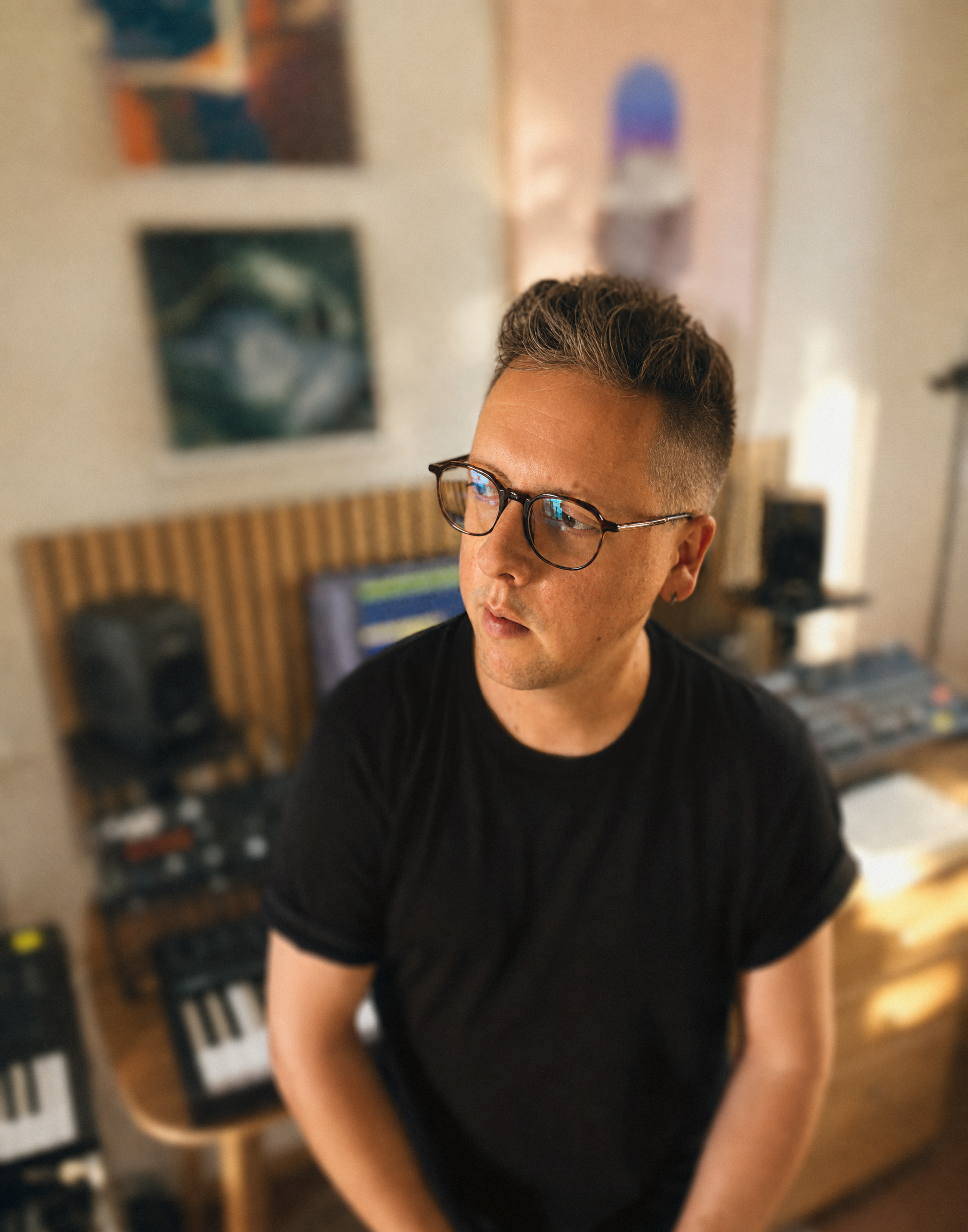
I. The synth and the conversation that followed
01 You found Ipologica almost by accident, while looking for a second-hand synthesizer. What made you send over a handful of demos, almost on impulse, to people you’d just met?
A (ENG): Our first contact happened in a small online group for synth enthusiasts. It is a close-knit, passionate and respectful community, a kind of safe harbour where people can share the same interest and feel they are among people they can trust. That is why everything happened so naturally: Fabio Sestili from Ipologica asked to hear some of my music, and I sent him a few tracks straight away.
To me, sharing music is an important gesture. It takes courage, because it means exposing yourself and placing something personal in someone else’s hands. Listening is also an act of generosity: it means pausing and choosing to give your time to that particular piece of music. That is why I see every attentive listen as a gift.
A (ITA): Il primo contatto è avvenuto in un piccolo gruppo social dedicato agli appassionati di sintetizzatori. È una community molto appassionata e rispettosa, una sorta di isola sicura in cui condividere la stessa passione e sentirsi tra persone di cui fidarsi. Per questo tutto è successo in modo molto naturale: Fabio Sestili di Ipologica mi ha chiesto di ascoltare qualcosa e io gli ho mandato subito alcuni brani.
Per me condividere musica è un gesto importante. Da una parte richiede coraggio, perché significa esporsi e affidare a qualcun altro qualcosa di personale. Dall’altra, anche ascoltare è un atto di generosità: significa fermarsi e scegliere di dedicare il proprio tempo proprio a quella musica. Per questo considero ogni ascolto attento una forma di regalo.
02 That exchange turned into a conversation that, in your words, has barely stopped since. What made it feel different from any other industry contact?
A (ENG): The fact that our relationship began outside the usual dynamics of the music industry helped a lot. I was not looking for a label, and they were not looking for an artist: we were simply talking about a synthesizer. Curiosity came first, then the project. From the start, that removed the feeling that I had to present or “sell” something.
When we began talking about music, it felt natural to share material that was still rough, without waiting for it to take a final shape. I think that created a particular kind of trust straight away, because it meant showing not only what was working, but also attempts, doubts and directions that were still open. Ipologica became part of the process while the album was still taking shape, and that made the exchange much freer and more useful.
A (ITA): Il fatto che il rapporto sia nato fuori dalle dinamiche dell’industria musicale ha aiutato molto. Non stavo cercando un’etichetta e loro non mi stavano cercando come artista: stavamo semplicemente parlando di un sintetizzatore. Prima è arrivata la curiosità reciproca, poi il progetto. Questo ha tolto fin dall’inizio la sensazione di dover presentare o “vendere” qualcosa.
Quando abbiamo iniziato a parlare di musica, per me è stato naturale condividere materiale ancora grezzo, senza aspettare che avesse una forma definitiva. Credo che questo abbia creato subito un livello di fiducia particolare, perché significava mostrare non solo ciò che funzionava, ma anche tentativi, dubbi e direzioni ancora aperte. Ipologica è entrata nel processo mentre l’album stava ancora prendendo forma, e questo ha reso il confronto molto più libero e utile.
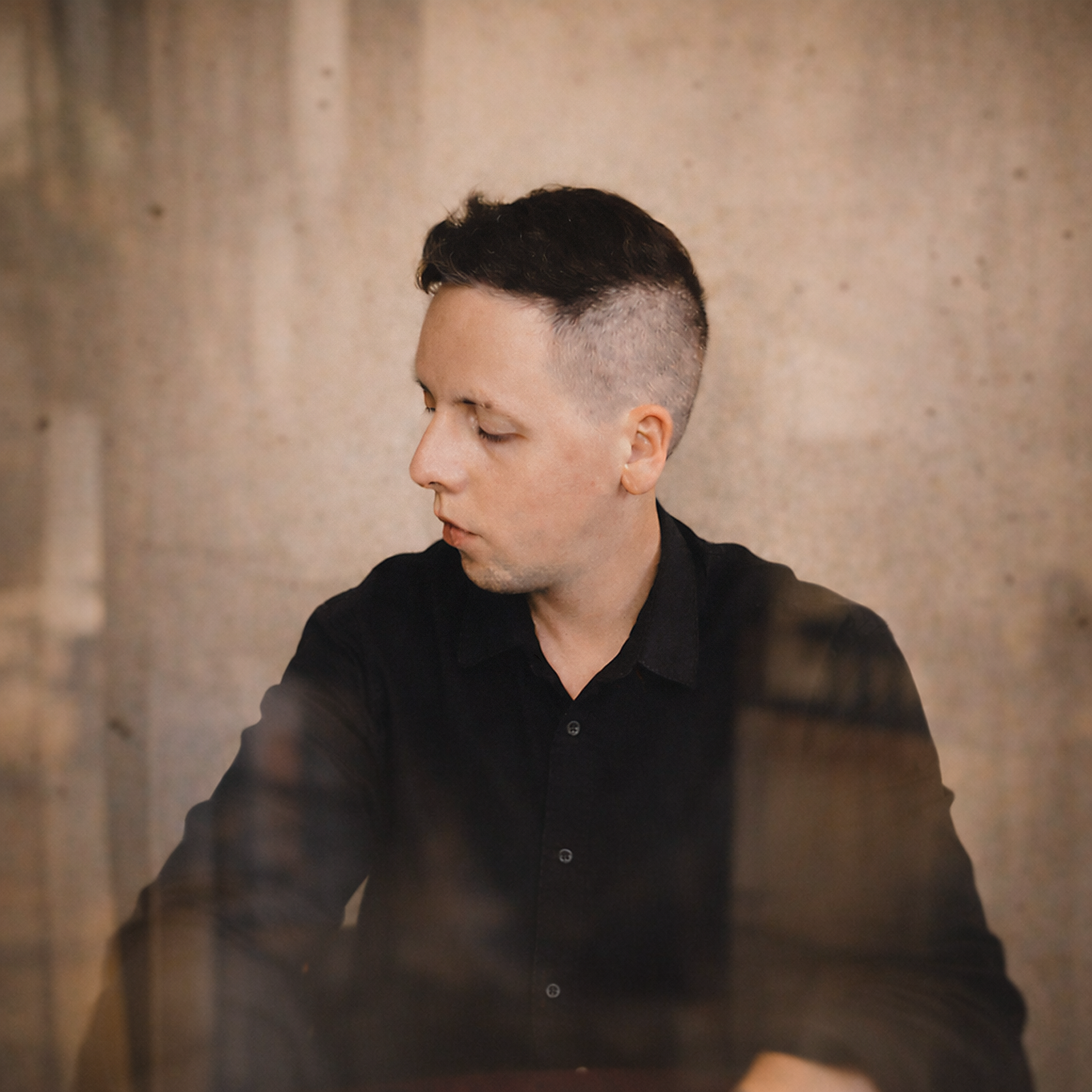
II. Time as a living substance
03 Time Is A Dimension treats time as a living, ever-changing substance. What first pulled you toward that idea as the backbone of an entire album?
A (ENG): Over the years I have moved house many times, and I have always seen homes as microcosms, condensed versions of what we have experienced outside them. Objects, photographs and fragments of experience accumulate and become traces of time passing. Looking back at the homes I have lived in, I see a different version of myself in each one. That is where the idea of time as something that settles and continues to shape the present comes from.
This feels close to Henri Bergson’s concept of duration: lived time as a flow in which past and present keep merging into one another. Memory works in much the same way: we reconstruct every moment from the person we have become in the meantime.
The same idea appears in visualizations known as “space-time cubes”. If we imagine the frames of a video as very thin sheets stacked on top of one another, we get a volume in which depth represents time. Looking at that volume, a person walking no longer appears in a single position, but as an elongated form containing the path they have travelled. Time becomes something we can observe, almost as if it had a shape. The idea that time can take on an almost material form is one of the main ideas behind Time Is a Dimension.
A (ITA): Mi sono ritrovato molte volte a cambiare abitazione e ho sempre percepito le case come un microcosmo, una sintesi di ciò che abbiamo vissuto fuori. Oggetti, fotografie, frammenti di esperienze si accumulano e diventano tracce del tempo trascorso. Guardando a distanza le case in cui ho vissuto, identifico in ognuna una diversa versione di me stesso. Da qui nasce l’idea del tempo come qualcosa che si deposita e continua a influenzare il presente.
È un pensiero vicino al concetto di durata di Henri Bergson: il tempo vissuto come un flusso in cui passato e presente continuano a compenetrarsi. Anche la memoria funziona così: ricostruiamo ogni momento a partire da ciò che siamo diventati nel frattempo.
Questo concetto si esprime anche nelle visualizzazioni chiamate «space-time cubes»: immaginando i fotogrammi di un filmato come fogli sottilissimi e sovrapposti, otteniamo un volume, dove la profondità rappresenta il tempo. Guardando quel volume, una persona che cammina non appare più in una sola posizione, ma come una forma allungata che ne contiene il percorso compiuto. Il tempo diventa così qualcosa che possiamo osservare, come se avesse una forma. L’idea che il tempo possa assumere una forma quasi materiale è uno dei nuclei da cui è nato Time Is a Dimension.
04 Each track is described as an attempt to reconstruct a moment, either truly lived or imagined while daydreaming. Once a track is finished, can you still tell which of the two it started as?
A (ENG): Some tracks begin with a specific memory, others with a mental image or a scene I have never actually experienced. During composition, though, that distinction starts to matter less: what I lived and what I imagined end up carrying the same weight and feeding into the same result. The elements I use are layered and transformed into something that did not exist before. “Left Side of the River” grew out of a real memory of living on the left bank of a river, while “Places”, for example, is about a trip I had planned for a long time but never had the chance to take, so I tried to imagine it instead.
A (ITA): Alcuni brani partono da un ricordo preciso, altri da un’immagine mentale o da una scena che non ho mai vissuto realmente. Durante la composizione però questa distinzione perde importanza: ciò che ho vissuto e ciò che ho immaginato finiscono per avere lo stesso peso, e contribuire al medesimo risultato. I vari elementi che utilizzo vengono sovrapposti e trasformati in qualcosa che prima non esisteva. La traccia «Left Side of the River» nasce da un ricordo reale di quando abitavo appunto sulla riva sinistra di un fiume, mentre «Places» per esempio per me parla di un viaggio a lungo pianificato che però non ho mai avuto la possibilità di fare, e che quindi ho provato a immaginare.
III. Fragments and interruptions
05 A house move and a long renovation paused your production for roughly six months. What did you hear in your own demos, once you came back to them, that you couldn’t hear before?
A (ENG): One of the most valuable things we can have during the creative process is a pause, even a very long one. Being able to take that pause is a privilege. Letting the material settle allows us to return to it with a different focus, and that process continues over time: months later, we will always hear something new. The equipment, the listening system and our ears may be the same, but we have changed, and we have a clearer idea of how we want our music to sound. Time therefore becomes as much a variable in the creative process as the instruments themselves.
At the same time, the urge to keep intervening may never disappear. You have to know when to let go and accept that you may never be fully satisfied.
A (ITA): Una delle cose più preziose che possiamo avere durante il processo creativo sono le pause, anche molto lunghe, sono un privilegio. Lasciar sedimentare il materiale permette di tornarci con una messa a fuoco diversa e questo processo continua nel tempo: a distanza di mesi sentiremo sempre cose nuove. L’attrezzatura, l’impianto e il nostro orecchio possono essere gli stessi, ma nel frattempo siamo cambiati noi, e abbiamo un’idea più precisa di come vogliamo che suoni la nostra musica. Il tempo diventa quindi una variabile del processo creativo tanto quanto gli strumenti.
Allo stesso tempo, il desiderio di intervenire potrebbe non spegnersi mai. È necessario saper lasciare andare e accettare di non esserne mai completamente soddisfatti.
06 Field recordings, samples, and spontaneous gestures all get reassembled «like fragments of a memory.» How do you decide which fragment belongs where, if memory itself doesn’t follow an order?
A (ENG): I start without assigning each fragment a specific function. Many sounds are recorded without knowing where they will end up, and they sit there until they find a context in which they take on a different meaning. At that point, their origin matters less than the relationship they create with what surrounds them. A field recording can lose all connection to the place where it was captured and become a texture, a rhythm or a presence. For me, composition is largely about understanding which fragments begin to feel as though they had always belonged to the same memory.
A (ITA): Non parto cercando di assegnare a ogni frammento una funzione precisa. Molti suoni vengono registrati senza sapere dove finiranno e restano lì finché non trovano un contesto in cui acquistano un significato diverso. A quel punto conta meno la loro origine e più la relazione che riescono a creare con ciò che hanno intorno. Un field recording può perdere completamente il legame con il luogo in cui è stato registrato e diventare una texture, un ritmo o una presenza. La composizione, per me, consiste soprattutto nel capire quali frammenti iniziano a sembrare appartenuti da sempre allo stesso ricordo.
IV. Density and suspension
07 The album alternates between slow rhythmic crescendos and ambient suspension. How do you know when a track needs weight, and when it needs to simply float?
A (ENG): I work without a preset structure. I try to understand when a track can stand on atmosphere alone and when it needs weight and direction. In other genres, there is often pressure to chase the listener’s attention at all costs, reaching the heart of the track within seconds. IDM and ambient electronic music allow a track to reveal itself more slowly: listeners are already open to a slower, more attentive kind of listening. I prefer to let the tension build and bring in rhythm only when it is truly needed.
In the future, I want to push this direction further, gradually loosening the knots and working on compositions that feel increasingly suspended.
A (ITA): Non parto da una struttura prestabilita. Cerco di capire quando il brano può reggersi sulla sola atmosfera e quando invece ha bisogno di peso e direzione. In altri generi musicali si è abituati a rincorrere l’attenzione dell’ascoltatore ad ogni costo, arrivando al core del brano in pochi secondi. Nel caso invece dell’elettronica IDM e ambient ci si può permettere di svelare il brano con più calma: chi ascolta questo tipo di musica è già predisposto a un ascolto più lento e attento. Preferisco quindi lasciare che la tensione cresca e che il ritmo entri solo quando serve davvero.
In futuro vorrei spingere ancora di più questa direzione, sciogliendo progressivamente i nodi e lavorando su composizioni sempre più sospese.
08 You work across both analog and digital synthesizers. What does each one let you say about time that the other can’t?
A (ENG): For years, I thought software synths had reached such a high level, even in reproducing imperfections and instability, that the analog-versus-digital debate had become fairly uninteresting. Over time I changed my mind, mainly because of process. Software leaves a lot of room for editing afterwards and can make you record with less attention, knowing everything can still be fixed. With an analog instrument, I tend to spend more time finding the right sound and performance before I record. This is where time comes into it for me: digital extends the window in which you can keep intervening, while analog concentrates your attention on the moment the sound happens.
A (ITA): Per diversi anni ho pensato che i sintetizzatori virtuali avessero raggiunto una qualità tale, anche nel riprodurre imperfezioni e instabilità, da rendere poco interessante la contrapposizione tra analogico e digitale. Con il tempo ho cambiato idea, soprattutto per una questione di processo. Il virtuale lascia molto spazio all’editing a posteriori e può portare a registrare con meno attenzione, sapendo che tutto potrà essere corretto. Con una macchina analogica tendo invece a dedicare più tempo alla ricerca del suono e dell’esecuzione giusta prima di registrare. È qui che per me entra in gioco il rapporto con il tempo: il digitale prolunga la possibilità di intervenire, mentre l’analogico concentra l’attenzione nel momento in cui il suono accade.
V. Ipologica and what comes next
09 Ipologica describes its own identity as the meeting point between logic and sensitive impulse. Once the label got involved in finishing this album, where did you feel that tension at work?
A (ENG): The rational side came through in more technical and specific feedback on certain tracks, which led to a few targeted changes. The instinctive side was reflected in the creative freedom they gave me, without imposing any idea of right or wrong. We share the belief that there are as many ways of understanding music as there are people who make it and listen to it.
A (ITA): La parte razionale è emersa nei commenti più tecnici e puntuali su alcuni brani, che hanno portato a piccoli interventi mirati. Quella più istintiva è stata invece nella libertà creativa che mi hanno lasciato, senza imporre un’idea di giusto o sbagliato: condividiamo l’idea che esistano tanti modi di intendere la musica quante sono le persone che la fanno e la ascoltano.

10 Time Is A Dimension closes with «Elsewhere.» After spending an entire album reconstructing moments that may or may not have happened, what comes next for Memory Noise?
A (ENG): After this album, I will need a long break, time to have new experiences and let some of them become material to translate into music. I also believe that music needs no excuses, pretexts or explanations, and that inspiration, in the end, does not exist: electronic music often grows out of spontaneous gestures, from a sound that works before you know where it will lead. I want to return to exactly that: making music without a destination. Then I might buy a second-hand synthesizer, make a few recordings without knowing why and, two years from now, explain in an interview that it was all part of the plan!
A (ITA): Avrò bisogno di una lunga pausa, di fare nuove esperienze e lasciare che alcune diventino materiale da tradurre in musica. Credo anche che la musica non abbia bisogno di scuse, pretesti o spiegazioni, e che l’ispirazione, in fin dei conti, non esista: la musica elettronica nasce spesso da gesti spontanei, da un suono che funziona prima ancora di sapere dove porterà. Vorrei tornare proprio lì: fare musica senza una destinazione. Poi potrei comprare un sintetizzatore usato, fare qualche registrazione senza sapere perché e, tra due anni, raccontare in un’intervista che faceva tutto parte del piano!
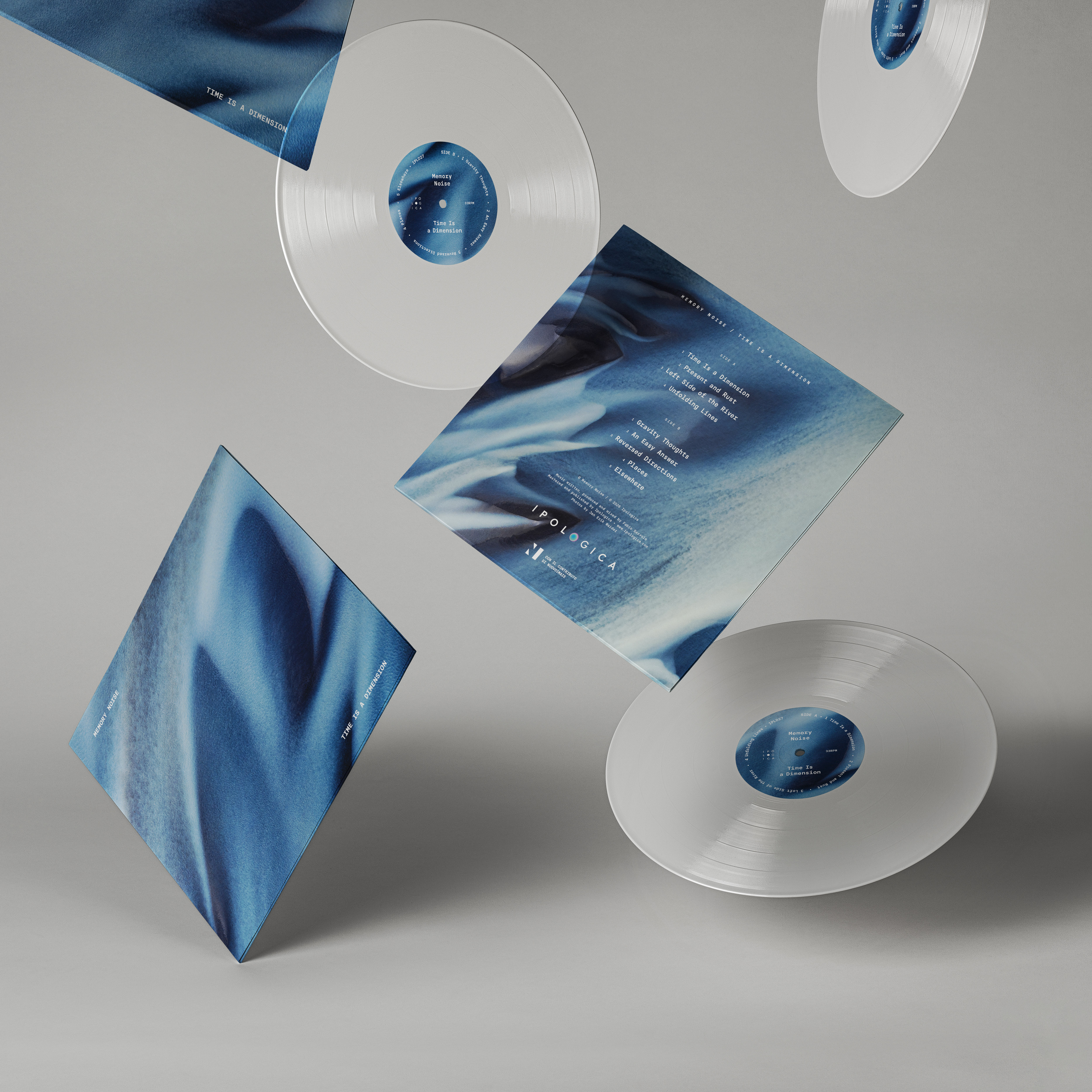
Time Is A Dimension is out October 21 on digital and vinyl through Ipologica. Nine tracks built from patience, interruption, and the willingness to let fragments sit before they become something whole. What began as a synthesizer changing hands turned into a conversation, and that conversation turned into an album that treats time itself as its main instrument.
Artist: Memory Noise
Title: Time Is A Dimension
Label: Ipologica
Formats: Digital Album / Vinyl Album
Catalogue: IPL025
Distribution: epm
Release Date: October 21st, 2026
Support & Buy: Bandcamp
This album project is realised: WITH THE CONTRIBUTION OF NUOVOIMAIE – CON IL CONTRIBUTO DI NUOVOIMAIE.
Tracklist
1 – Time Is A Dimension
2 – Present And Rust
3 – Left Side Of The River
4 – Unfolding Lines
5 – Gravity Thoughts
6 – An Easy Answer
7 – Reversed Directions
8 – Places
9 – Elsewhere
Memory Noise
SoundCloud | Instagram | Bandcamp | Linktree
Ipologica
SoundCloud | Instagram | Facebook | Bandcamp | Meet the label
Club Furies
Website | SoundCloud | Instagram | Threads | TikTok | Facebook | Bandcamp | Linktree


Deja una respuesta